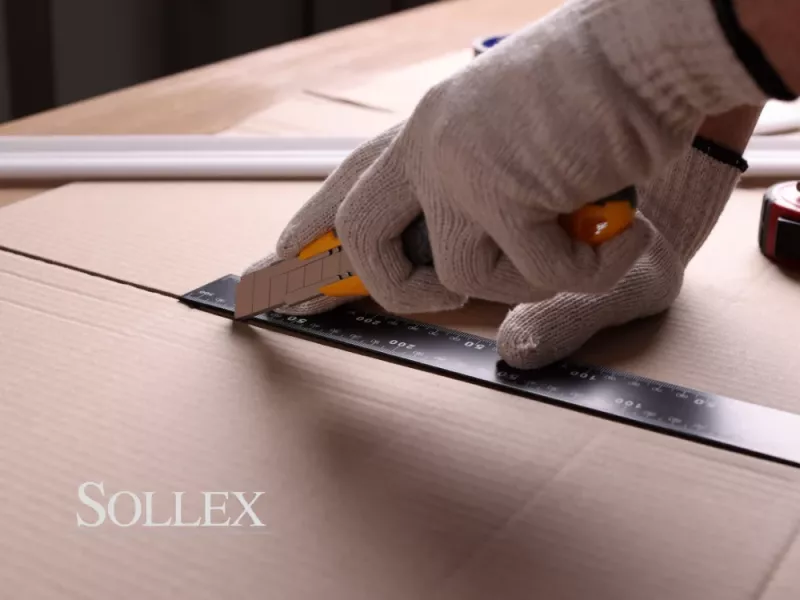
How to Cut Cardboard [TIPS]
How to cut cardboard in the best way
Knives for Cutting Cardboard
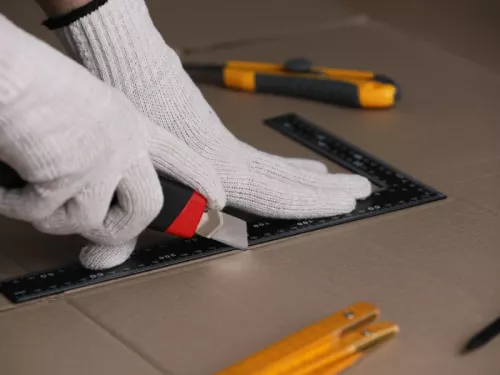 When it comes to cutting cardboard, the best kind of knife to use is a utility knife or a box cutter. These knives are designed with a sharp blade that can easily cut through cardboard, making it easier to create precise cuts.
Utility knives typically have a retractable blade that can be adjusted to different lengths, allowing you to cut through different thicknesses of cardboard. They also have a comfortable grip, which makes them easy to hold and control.
Box cutters, on the other hand, are smaller and more compact, making them ideal for cutting small pieces of cardboard or making precise cuts. They also have a retractable blade that can be adjusted to different lengths.
You can even use snap-off knives with long knife blades for cutting cardboard.Snap-off knives can be a good choice for cutting cardboard because they allow you to easily snap off the dull blade segments and continue cutting with a sharp edge. However, you will need to make sure the blade is securely locked in place and that it's sharp enough to cut through the thickness of your cardboard. Cut the cardboard at a 45 degree angle. For the best result feel free to make a cut in the box’s corner. It is important not to have segments in the knife blade, so avoid using ordinary folding snap-off blades when cutting cardboard. Instead, use blades without segments. This will keep you from risking to break the blade when you cut the box and prevent an accident.
It's also important to choose a knife with a sharp blade and to make sure it's securely locked in place before using it to cut cardboard. Additionally, it's a good idea to wear gloves to protect your hands while cutting.
How to Cut Cardboard in the Best Way
Cutting cardboard can be tricky if you don't use the right technique. Here are some steps to help you cut cardboard in the best way possible:
- Choose the right cutting tool: Use a sharp utility knife or a box cutter to cut the cardboard. Make sure the blade is sharp and change it frequently to ensure smooth and clean cuts.
- Measure and mark the cardboard: Use a ruler or a straight edge to measure and mark the cardboard where you want to make the cut. Make sure your markings are accurate and clear.
- Use a cutting surface: Place the cardboard on a cutting surface like a cutting mat, piece of cardboard or plywood. This will help protect your work surface and give you a better cutting edge.
- Apply pressure while cutting: Hold the cutting tool at a 45-degree angle and apply firm pressure while cutting the cardboard. Take your time and cut slowly, especially if the cardboard is thick.
- Cut from the back: If you need to cut through multiple layers of cardboard, start by making a shallow cut on the front and then finish the cut from the back. This will help prevent the cardboard from tearing or bending.
- Always cut away from your body: When cutting, make sure you are cutting away from your body to avoid injury.
Remember to always exercise caution when cutting cardboard and be careful not to cut yourself or damage your work surface.
These products are suitable for cutting cardboard:
- Martor secunorm 380001
- Martor secunorm 54000410
- Snap-off knife pro 18mm 5180
- Snap-off blade without segments 18mm 180LUS
Safety Tips for Cutting Paper- and Cardboard
If you don't take proper safety precautions, cutting cardboard can be hazardous. Here are some safety tips to help you cut cardboard safely:
- Use a sharp cutting tool: Always use a sharp utility knife or box cutter with a fresh blade to avoid tearing or bending the cardboard, which can lead to accidents.
- Use a cutting surface: Place the cardboard on a cutting mat or a piece of cardboard to avoid damaging your work surface and to provide a better cutting edge.
- Cut away from your body: Always cut away from your body and keep your fingers and other body parts away from the blade to avoid injury.
- Use protective gear: Wear protective gloves to protect your hands from cuts and scrapes while cutting cardboard.
- Take breaks: Take frequent breaks while cutting cardboard to avoid muscle strain and fatigue.
- Store your cutting tool safely: Always store your cutting tool in a secure place out of reach of children and pets to avoid accidents.
- Properly dispose of the cardboard and the cutting tool: Dispose of the cardboard properly, and always dispose of used blades in a designated sharps container or wrap them in heavy-duty tape before discarding.
By following these safety tips, you can minimize the risk of accidents while cutting cardboard and protect yourself and others from harm.
FAQ
Q: What is the best knife for cutting cardboard?
A: The best tools for cutting cardboard are utility knives and box cutters with sharp, securely locked blades. They provide control, clean cuts, and are suitable for different cardboard thicknesses.
Q: Can snap-off knives be used for cutting cardboard?
A: Yes, snap-off knives can be used, but only with blades without segments. Segmented snap-off blades can break under pressure and increase the risk of injury.
Q: What blade angle should be used when cutting cardboard?
A: Cutting at approximately a 45-degree angle provides better control and smoother cuts, especially when working with thicker cardboard.
Q: Why is it important to use a sharp blade when cutting cardboard?
A: A sharp blade reduces tearing, bending, and excessive force. This improves cut quality and significantly lowers the risk of accidents.
Q: Should cardboard be cut in one pass or multiple passes?
A: For thick or multi-layer cardboard, it is best to make several controlled passes rather than forcing a single deep cut.
Q: Is it better to cut cardboard from the front or the back?
A: For thicker cardboard, starting with a shallow cut on the front and finishing from the back helps prevent tearing and bending.
Q: What surface should cardboard be cut on?
A: Cardboard should be cut on a stable cutting surface such as a cutting mat, spare cardboard, or plywood to protect the blade and work area.
Q: What safety precautions should be taken when cutting cardboard?
A: Always cut away from the body, keep hands clear of the blade, use protective gloves, and ensure the blade is securely locked before cutting.
Q: How often should blades be replaced when cutting cardboard?
A: Blades should be replaced as soon as they become dull or require extra pressure. Frequent blade changes improve safety and cut quality.
Q: How should used blades be disposed of?
A: Used blades should be disposed of in a designated sharps container or wrapped securely in heavy-duty material to prevent injuries.
Q: Can Sollex supply knives and blades for cutting cardboard?
A: Yes. Sollex supplies utility knives, safety knives, snap-off knives without segments, and durable blades specifically suited for cutting cardboard and paper materials.